Night Driving in Winter: Stay Safe When the Sun Goes Down
As the days grow shorter and the mercury drops, winter driving becomes a whole new challenge, especially after dark. Whether you’re commuting home, heading out for festive plans, or managing a fleet on tight schedules, driving at night during the winter months demands extra caution, preparation, and awareness.
Here’s how to stay safe and confident behind the wheel when winter nights set in.
Why Winter Nights Are Riskier
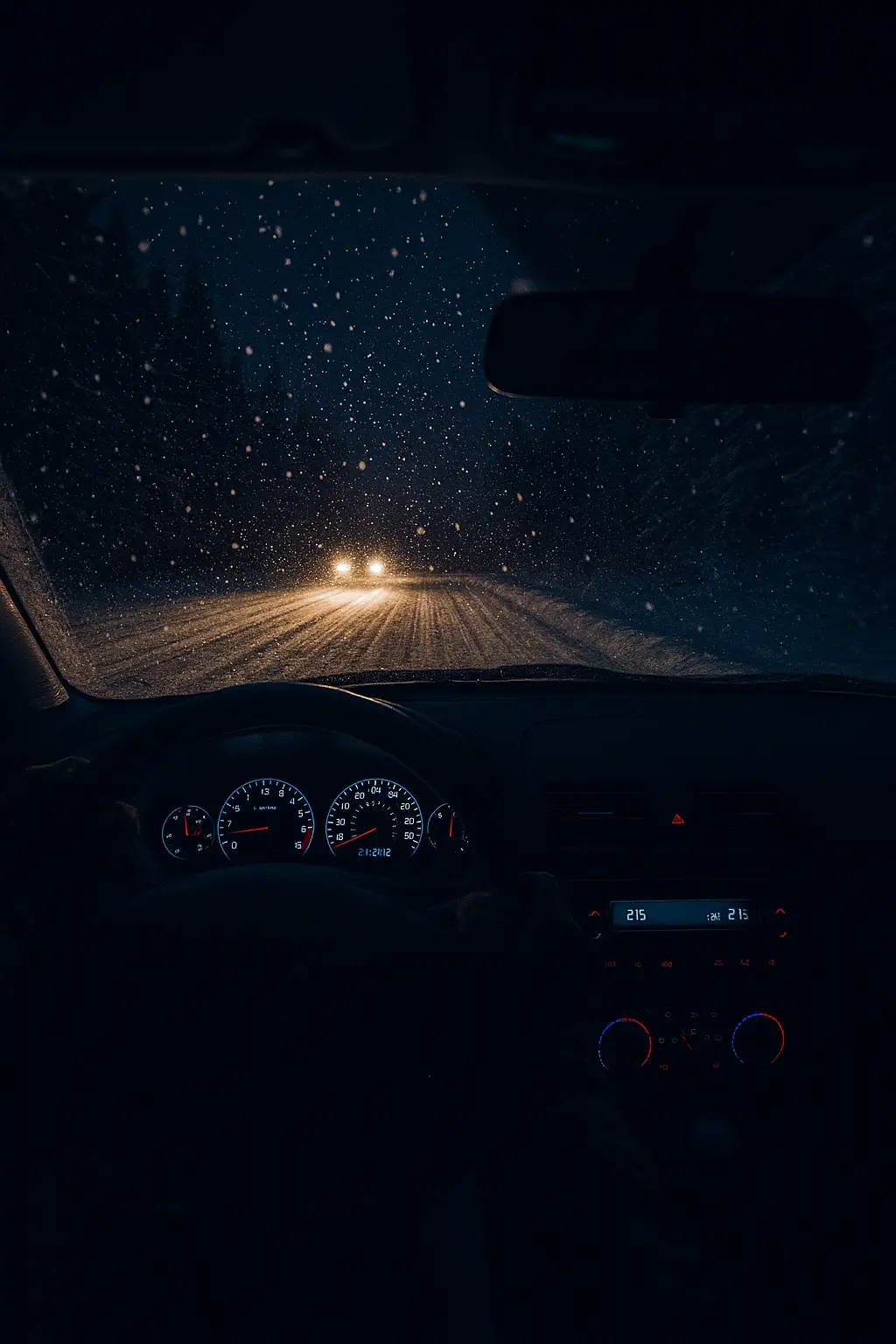
- Reduced visibility: Darkness limits your field of vision, and winter weather fog, sleet, or snow can make it worse.
- Slippery surfaces: Black ice is nearly invisible at night and often forms on bridges, shaded roads, and rural routes.
- Fatigue and slower reaction times: The body’s natural rhythm can dip in the evening, especially after a long day.
- Glare from headlights: Wet roads and dirty windscreens can amplify glare, making it harder to see clearly.
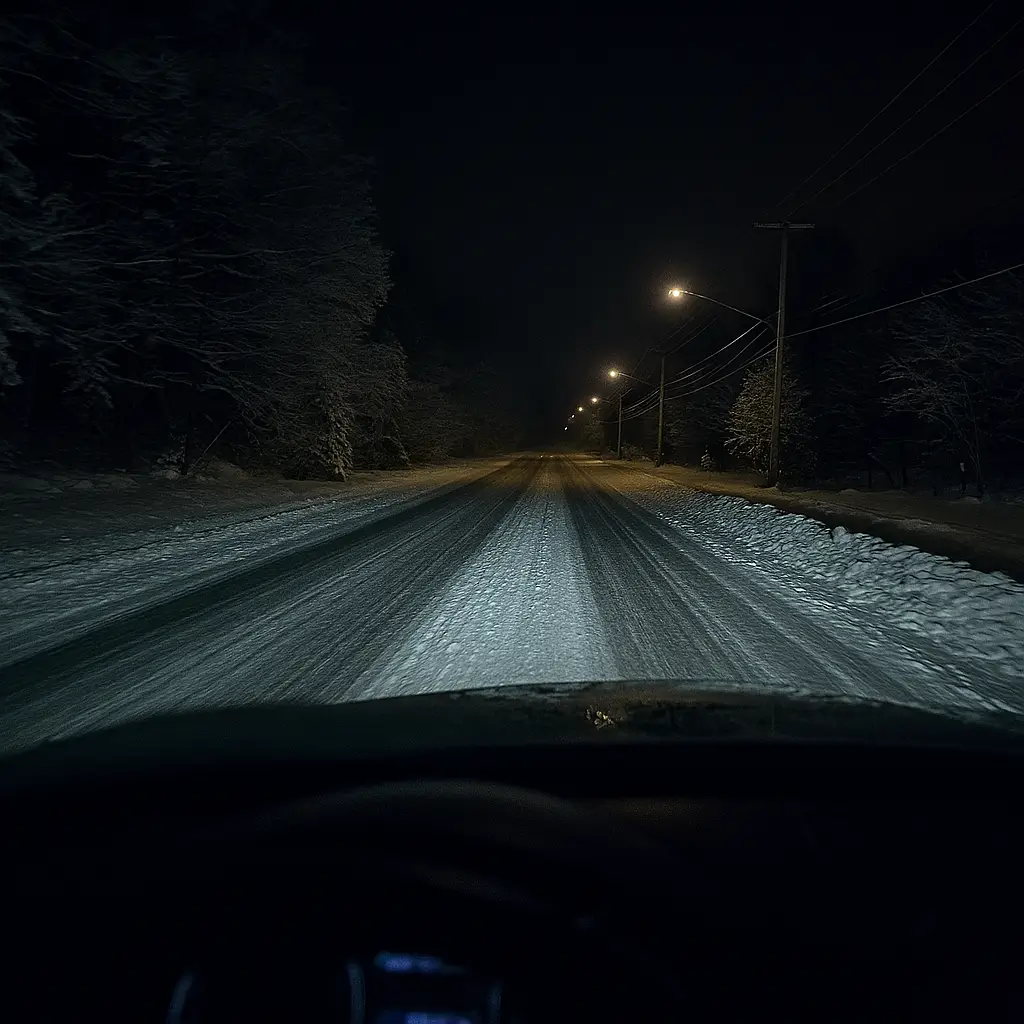
10 Tips for Safer Winter Night Driving
- Check your lights: Ensure all headlights, brake lights, and indicators are clean and working. Use dipped beams in fog or snow.
- Keep windows and mirrors clear: Scrape off frost and condensation before setting off. Use your demister and air-con to prevent fogging.
- Slow down and increase following distance: Give yourself more time to react on icy or wet roads.
- Watch for black ice: Be especially cautious on untreated roads, bridges, and shaded areas.
- Use fog lights wisely: Only use them when visibility drops below 100 metres and remember to switch them off when conditions improve.
- Stay alert for wildlife: Animals are more active at dawn and dusk, especially in rural areas.
- Avoid harsh braking or acceleration: Smooth, steady inputs help maintain traction.
- Keep an emergency kit: Include a torch, blanket, phone charger, high-vis vest, and snacks in case you get stranded.
- Plan your route: Stick to well-lit, gritted roads when possible. Let someone know your ETA if driving in remote areas.
- Stay rested: If you’re tired, pull over safely and take a break. Fatigue is a major risk factor at night.

For Fleet Managers and Operators
If you’re managing drivers or vehicles during winter, consider:
- Scheduling more daytime routes where possible
- Providing winter driving refreshers or toolbox talks
- Equipping vehicles with winter tyres and reflective markings
- Using telematics to monitor driver behaviour and route conditions
Final Word
Driving at night in winter isn’t just about braving the cold it’s about anticipating the unexpected. With the right mindset, equipment, and habits, you can navigate the season safely and confidently.
Stay visible. Stay alert. Stay safe.