
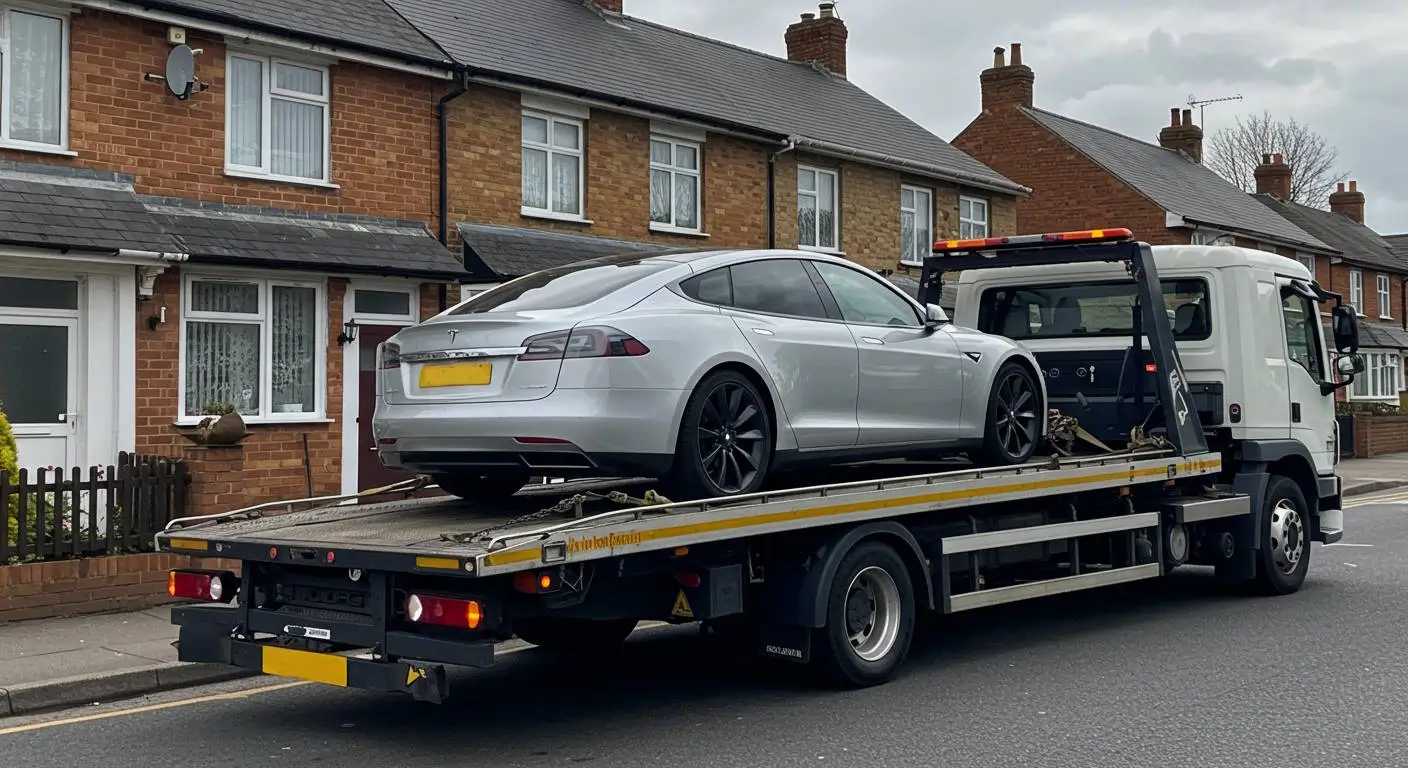
EV Breakdown Essentials: What Every Driver Should Know
Whether you’re driving solo or managing a fleet, knowing how to handle an EV breakdown can protect your vehicle and your wallet. Here’s what to do when things go wrong, and why towing isn’t an option.
Why EVs Must Be Loaded, Not Towed
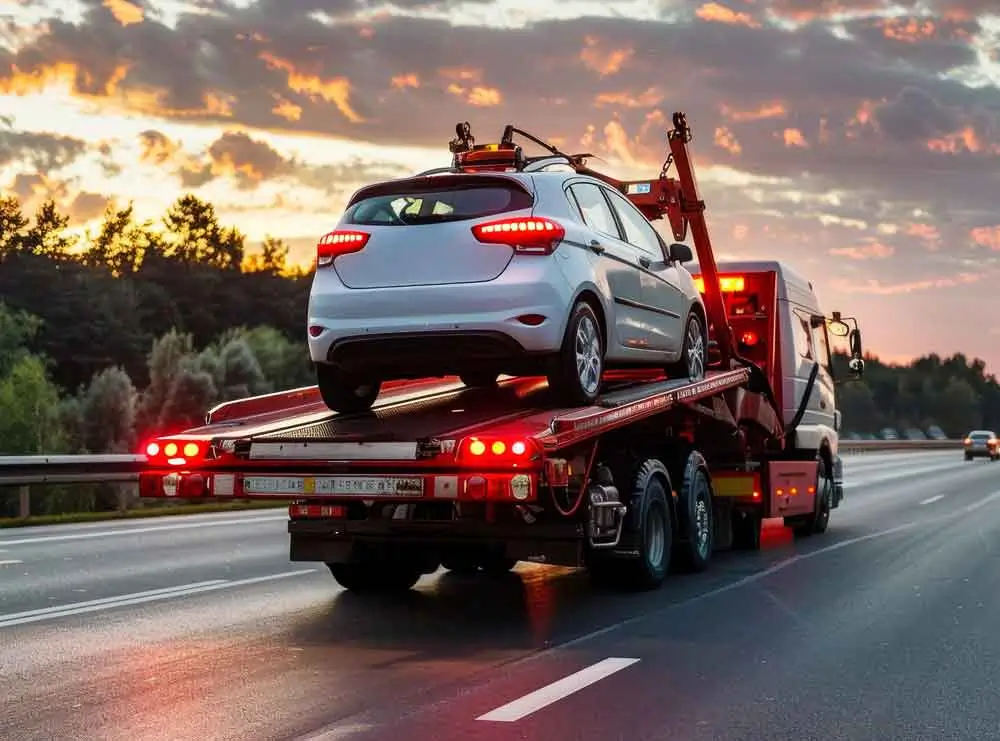
Never tow an EV with wheels on the ground. Unlike traditional vehicles, most EVs don’t have a true neutral gear. Towing can damage the motor and drivetrain, especially if the car can’t supply power to disengage systems. Always request a flatbed recovery
Risk to Drivetrain if Towed
Towing can cause internal damage. EV motors are directly connected to the wheels. If towed, the rotation can generate electricity without regulation, risking inverter or motor failure. Flatbed transport avoids this entirely.
Charging Faults & Battery Issues
Common causes of breakdowns include:
- Faulty charging cables or ports
- Battery management system errors
- Low state of charge with no nearby charger
Tip: Ask roadside assistance if they offer mobile EV charging or battery jump starts for high voltage systems.
Tyre Trouble in EVs

EVs are heavier than petrol cars, which puts more stress on tyres. Watch for
- Low pressure (especially in cold weather)
- Punctures from debris
- Uneven wear due to regenerative braking
Tip: Keep a portable inflator and tyre sealant in your boot and check pressure monthly.
Smart Safety Reminders
- Turn off the vehicle immediately if you see a warning light or hear unusual sounds.
- Avoid opening the hood unless you’re trained high voltage components can be dangerous.
- Share your EV model and issue clearly when calling for help to ensure proper equipment is dispatched.