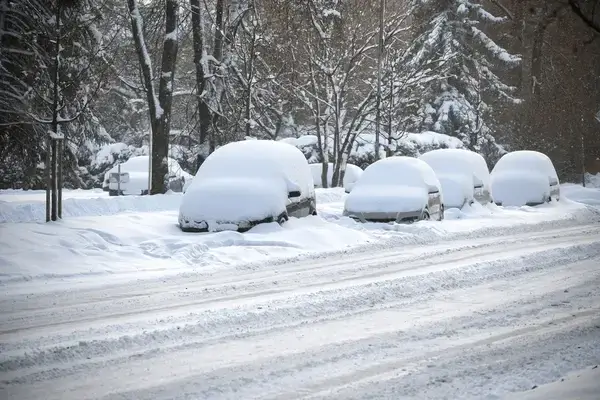
As temperatures drop and road conditions worsen, preparing your vehicle and mindset for winter driving is essential. From icy roads to reduced visibility, winter presents unique challenges that demand proactive safety measures.
vehicle
- Inspect and Winterize Your Vehicle
Before the first frost, schedule a winter check-up:
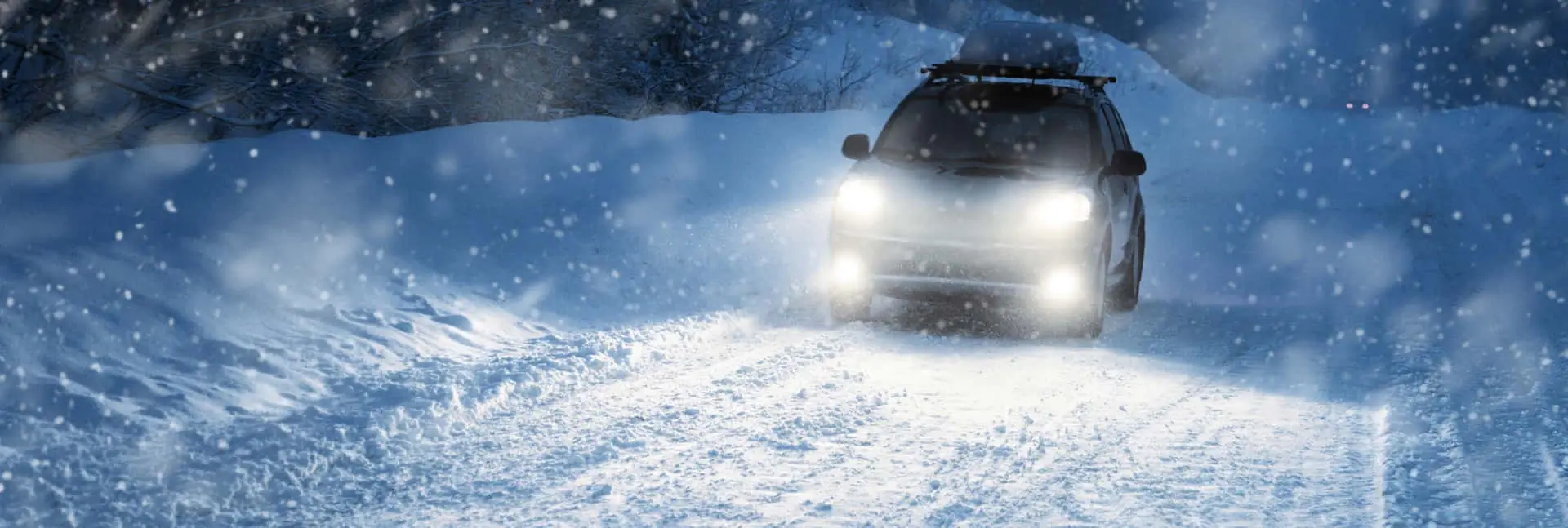
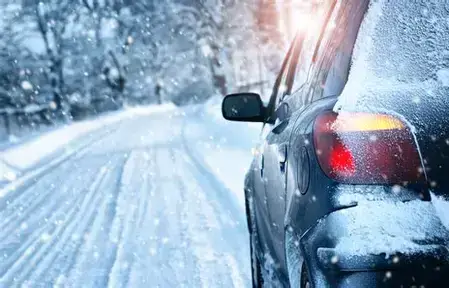
Winter ready vehicle on snowy road
- Battery health: Cold weather strains batteries. Replace weak ones.
- Antifreeze levels: Ensure proper mix to prevent freezing.
- Tire tread and pressure: Switch to winter tires if needed; check tread depth and inflate to recommended PSI.
- Wiper blades and fluid: Use winter-grade washer fluid and replace worn blades.
- Lights and brakes: Confirm all lights are working and brakes respond smoothly.
2. Pack a Winter Emergency Kit
Your kit should include:
- Ice scraper and de-icer
- Blanket and warm clothing
- Torch and spare batteries
- Shovel and traction aids (e.g., sand or cat litter)
- Phone charger and power bank
- First aid kit and snacks
- Plan Your Route and Drive Defensively
- Check weather and traffic updates before leaving.
- Stick to main roads, which are more likely to be gritted.
- Increase following distance, stopping distances can be 10x longer on ice.
- Avoid sudden movements: brake and steer gently to maintain control.
- Use low gears on slippery surfaces to reduce wheel spin.
4. Stay Alert and Adjust Your Driving Habits
- Don’t drive tired or unwell, especially if taking medication that causes drowsiness.
- Clear all snow and ice from windows, mirrors, and roof before driving.
- Keep fuel topped up, you may need extra for detours or delays.
Why Winter Driving Prep Matters
According to RoSPA, hundreds of injuries occur annually due to poor weather conditions like snow, sleet, and fog. Proper preparation reduces risk and ensures you’re not caught off guard when conditions change rapidly.
Final Thoughts
Winter driving doesn’t have to be daunting. With the right prep, gear, and mindset, you’ll stay safe and confident on the road. Share this guide with fellow drivers and bookmark it for your seasonal checklist.